Autumn Budget 2026: What does it mean for property?
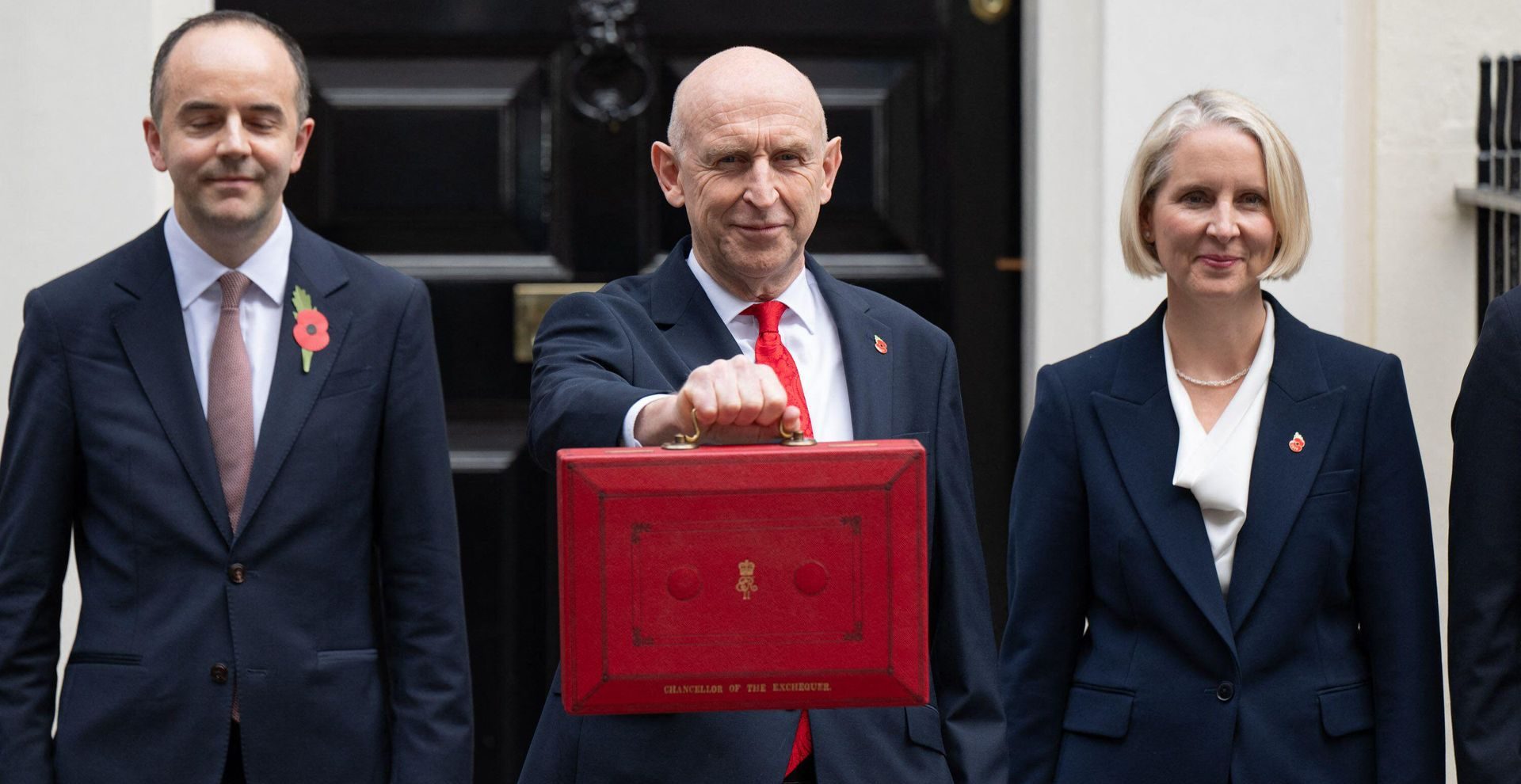
The Autumn Budget contains a number of measures which will have implications for the property market. While there was no major overhaul of property taxation, there are some important changes affecting business rates, first-time buyers, residential landlords and housing delivery.
For property owners, occupiers and investors, the detail matters. We have therefore looked beyond the headlines at some of the announcements most likely to affect our clients across Essex and Suffolk.
Business rates: welcome news for many occupiers
One of the more significant announcements for the commercial property market relates to Small Business Rate Relief.
From April 2027, the threshold for 100% Small Business Rate Relief for qualifying retail, hospitality and leisure premises will increase from a rateable value of £12,000 to £18,000. Relief will then taper for properties with rateable values between £18,000 and £21,000, rather than falling away immediately at the £18,000 threshold.
In simple terms, qualifying businesses occupying premises with an RV of up to £18,000 will pay no business rates, while those between £18,000 and £21,000 will receive progressively less relief as the rateable value increases.
This could be a meaningful saving for smaller businesses, particularly independent retailers and hospitality operators where rates form a significant part of the overall cost of occupation.
It also needs to be looked at in the context of the 2026 Rating List, which came into force in April this year. For businesses losing some or all of their existing relief following the revaluation, the Government’s Supporting Small Business Relief scheme provides further protection. For 2026/27 to 2028/29, qualifying increases are capped at £800 per year or the applicable transitional relief cap, whichever is greater.
There are therefore several moving parts. Businesses should not assume that an increase in rateable value necessarily translates directly into the same increase in the amount they will actually pay. The new assessment, Small Business Rate Relief and any transitional or supporting relief all need to be considered together.
From a property perspective this is important. Occupiers look at the total cost of occupation, not simply the rent. Rates, service charges, utilities and other operating costs will all influence affordability and, ultimately, occupational demand.
The wider commercial property market
For commercial property, some of the most important effects of the Budget may not come from measures specifically labelled as property policy. The performance of the commercial property market remains closely linked to the wider economy.
For occupiers, business confidence and the cost of trading influence decisions over whether to expand, relocate or take additional space. For investors, interest rates and the availability and cost of debt remain central to investment decisions and pricing and this budget is not likely to impact those pressures in the short term.
The business rates measures should be welcomed, particularly by smaller qualifying occupiers, but they form only part of the picture.
For landlords, investors and developers, the wider reaction to the Budget and what it means for inflation, economic growth and borrowing costs is likely to be more important than many of the individual property announcements which do not ultimately make a significant difference day to day.
What about Stamp Duty?
There had inevitably been speculation ahead of the Budget over possible changes to Stamp Duty Land Tax.
In the event, there has been no wholesale change to SDLT.
That may be relatively unexciting as a Budget announcement, but greater certainty is generally preferable for the market. Speculation about changes to transaction taxes can cause buyers and sellers to delay decisions, particularly where there is an expectation that completing on one side of a Budget or fiscal event could result in a different tax liability.
For buyers and sellers who had been waiting to see what the Chancellor would announce, the absence of a major change removes at least one element of uncertainty.
First-time buyers
This sector has really struggled for the last 3 or 4 years with rising costs and flat values. The budget offers to launch the “Your First Home” scheme which promises a first time buyer the opportunity to buy a house with 2.5% deposit, but this will be limited to new homes and the purchase prices will have regional caps – details to be announced. This has the potential to be good news for those trapped in renting; however, the loans will still be subject to usual mortgage lending criteria, with rates remaining high this could limit the effectiveness and affordability for potential buyers. At this stage, any incentives like this for the market have to be welcomed.
Our view
There are some welcome measures, particularly around Small Business Rate Relief, and further support for first-time buyers and housing delivery. At the same time, landlords continue to face a more difficult tax environment and the wider market remains sensitive to borrowing costs and economic confidence. This has clearly had knock on impacts for tenants in the past and it is likely that a more challenging market will discourage more landlords, ultimately reducing supply and increasing costs for the tenants themselves.
For a small retail or hospitality business, the change to business rates could make a noticeable difference to occupational costs. For a residential landlord, the tax changes may prompt a review of whether individual properties are still performing adequately. For developers and landowners, planning, viability and demand remain every bit as important as additional Government funding.
The Budget sets the economic backdrop, but this is not a budget that will fundamentally change the property market overnight.
Share this article
Autumn Budget 2026: What does it mean for property?